Key Takeaways
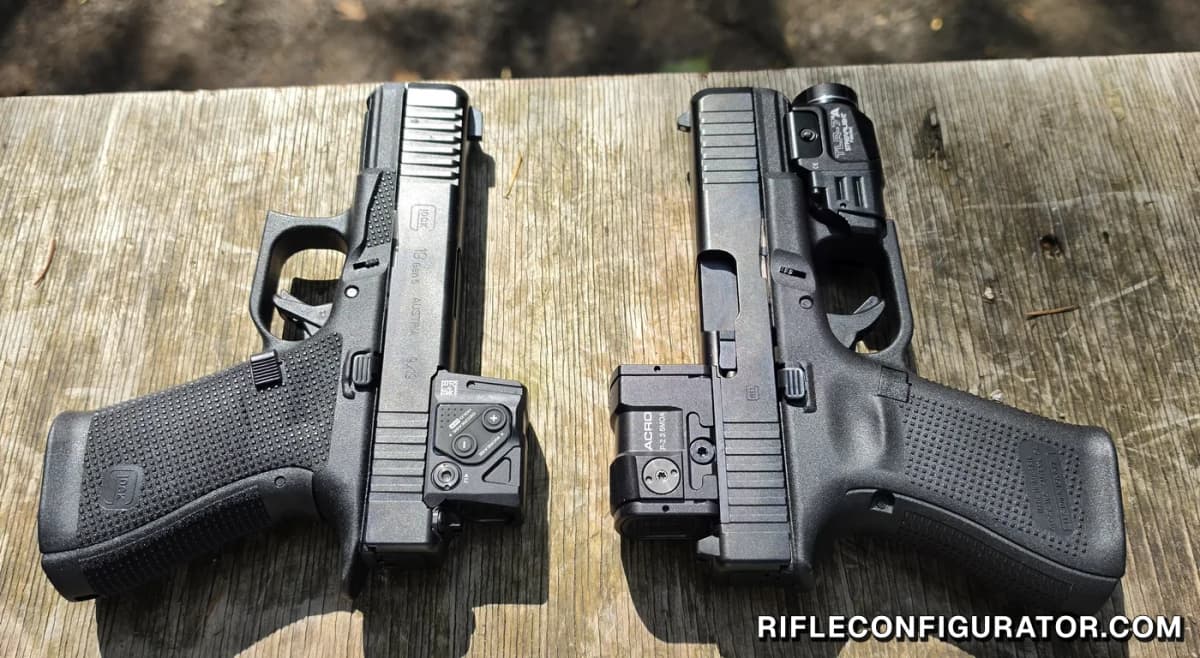
- →The grip is the only real win, and ours is falling off. The RTF6 texture, palm swell, undercut trigger guard, and enlarged beavertail finally give the Glock frame the ergonomics it should have had two generations ago. Then individual texture studs started tearing off the panel under ordinary holster carry, leaving gaps in the grid.
- →Ours needed a break-in. Several failures to return to battery early, clean ever since. Reliability is the whole reason to pick a Glock, and this one made us check.
- →The trigger went backwards. The flat-faced shoe looks the part, but the pull is mushier than the Gen 5, with a softer wall and a less distinct reset.
- →The optic system loses zero. The polymer-plate Optic Ready System lets red dots rotate off zero with witness marks unmoved and torque held. Wait for an aftermarket metal plate before you trust it.
- →Still plastic sights, still no FCU. Factory irons remain breakable polymer, and Glock skipped the serialized fire control unit that SIG, Springfield, and even Glock clones already ship.
- →The competition is better value. A Springfield Echelon ($710) or Ruger RXM ($539) solves the optic and modularity problems the Gen 6 leaves on the table.
Glock 19 Gen6
Best Glock ergonomics yet, held back by a plate-mount optic cut and a trigger that regressed from Gen 5
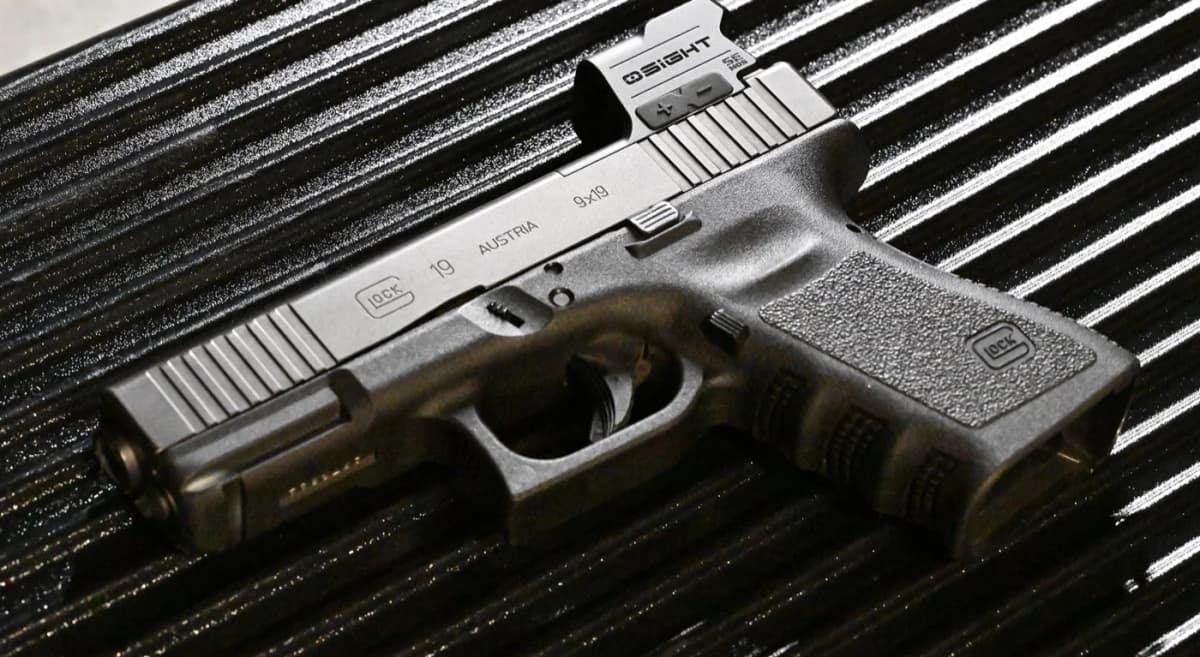
Compact 9mm with factory optics-ready, flat-faced trigger, and Gen6 ergonomic frame
- +Every Gen6 ships with the Glock Optic Ready system
- +Flat-faced trigger and undercut guard fix the Glock knuckle
- +Ergonomic overhaul without changing the G19's footprint
- −Flat-faced trigger is a step back from Gen5 — wall is mushier, reset less distinct
- −Beavertail is fixed to the frame — no backstrap swaps like Gen3/4
- −Enlarged beavertail profile is polarizing; some shooters will hate it
Affiliate links (?)
The Grip Is the Only Real Improvement
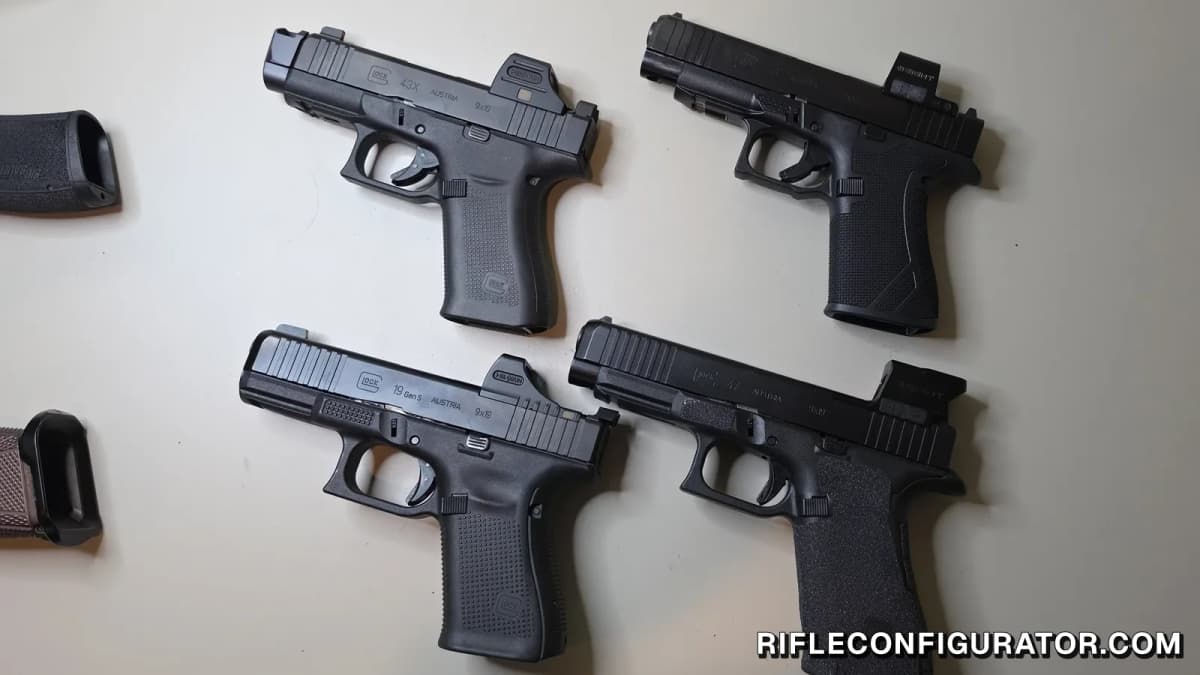
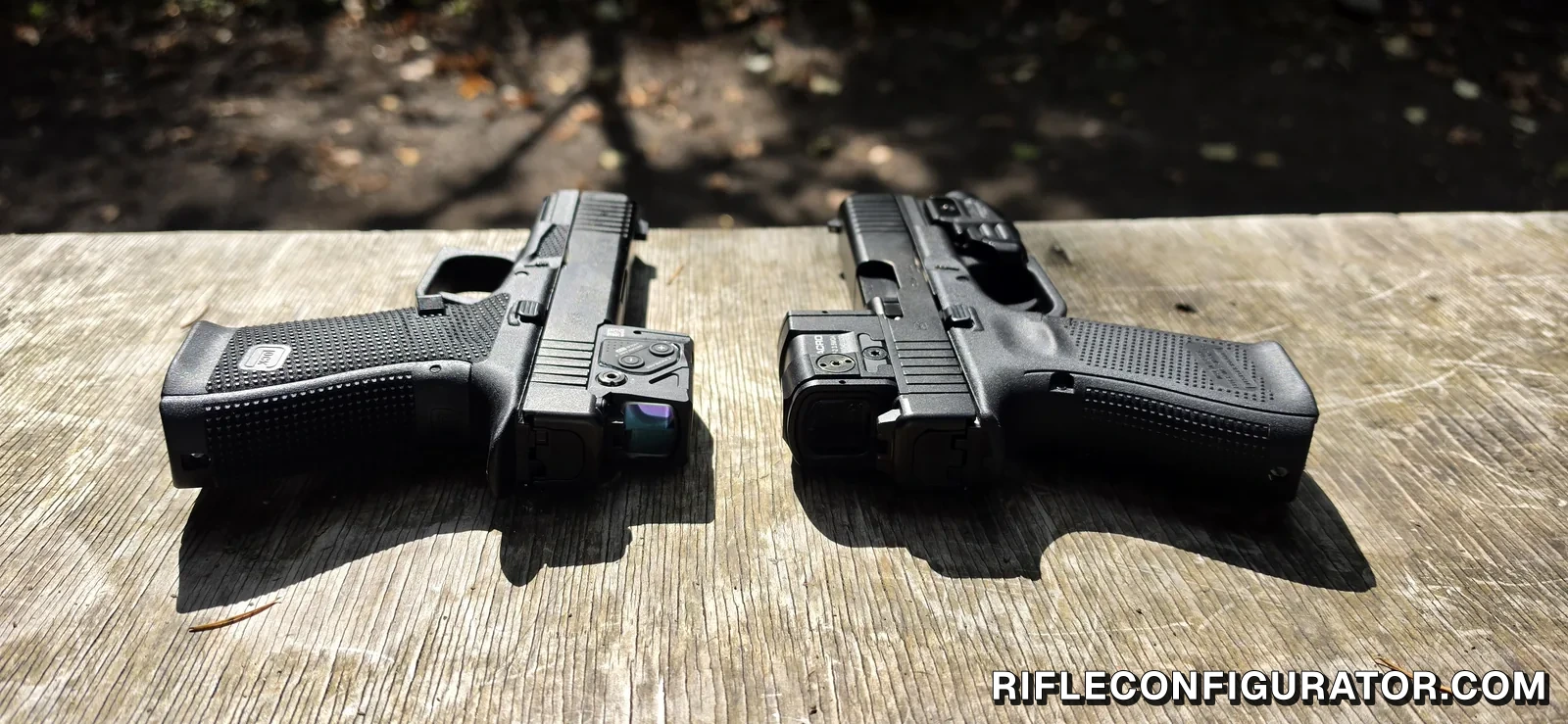
The RTF6 frame is the one place where the Gen 6 earns its generation number. The new dual-pattern texture wraps more of the grip than any previous Glock, extends up to bilateral thumb rests, and stays planted when your hands are wet or bloody. Pair it with the integrated palm swell, the factory undercut trigger guard that kills Glock knuckle, and an enlarged beavertail that drives the hand high and stops slide bite, and you finally have a Glock frame that does not need a stipple job and a Dremel to feel right.
That is a real fix to a real, decade-old complaint. The problem is that this is essentially the whole list. Glock spent its first major generational change since 2017 perfecting the part of the gun that the aftermarket had already solved for $40, while leaving the harder engineering problems either untouched or worse than before. The set still ships with interchangeable backstraps to tune the fit, but the enlarged beavertail profile is polarizing enough that plenty of shooters will dislike it.
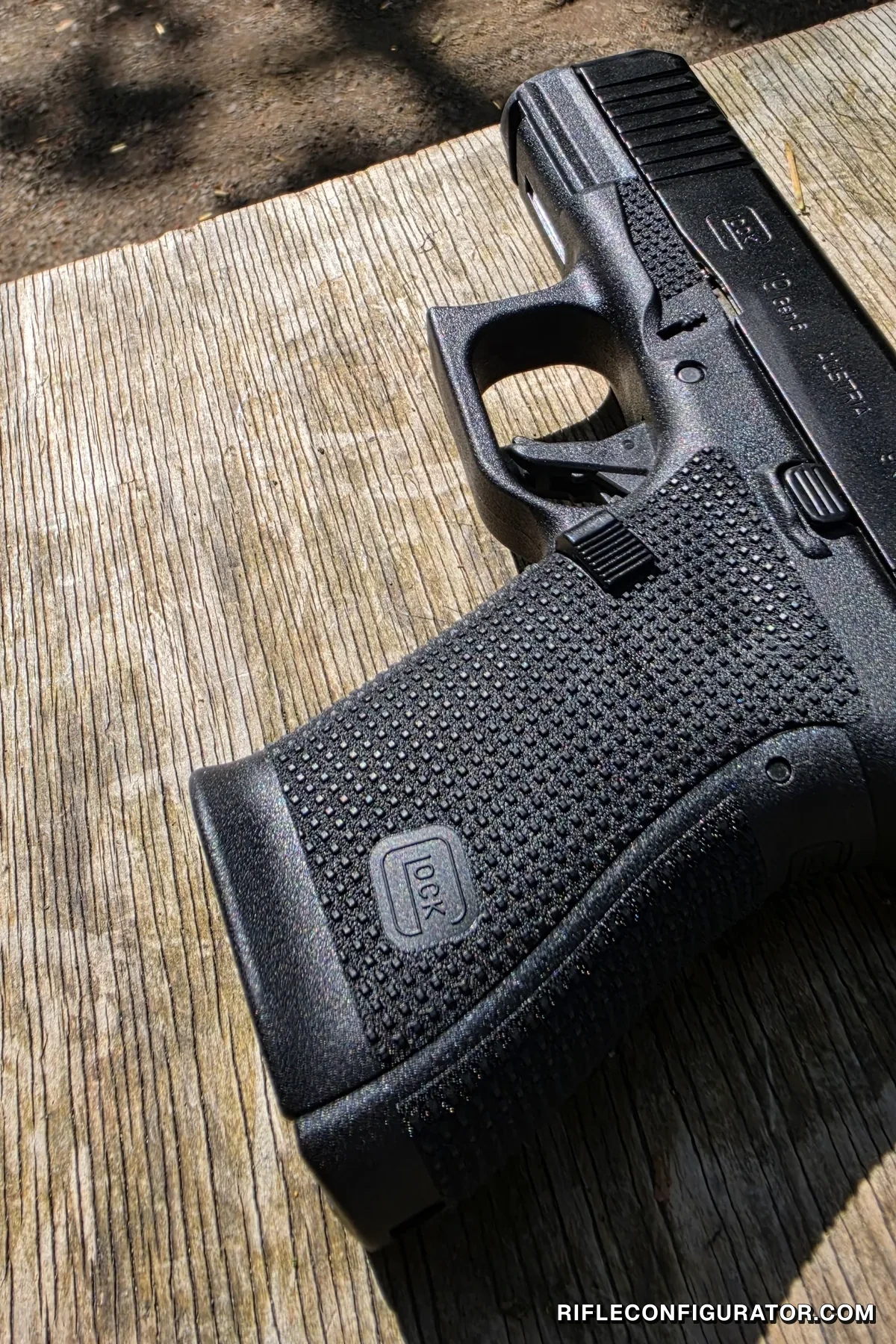
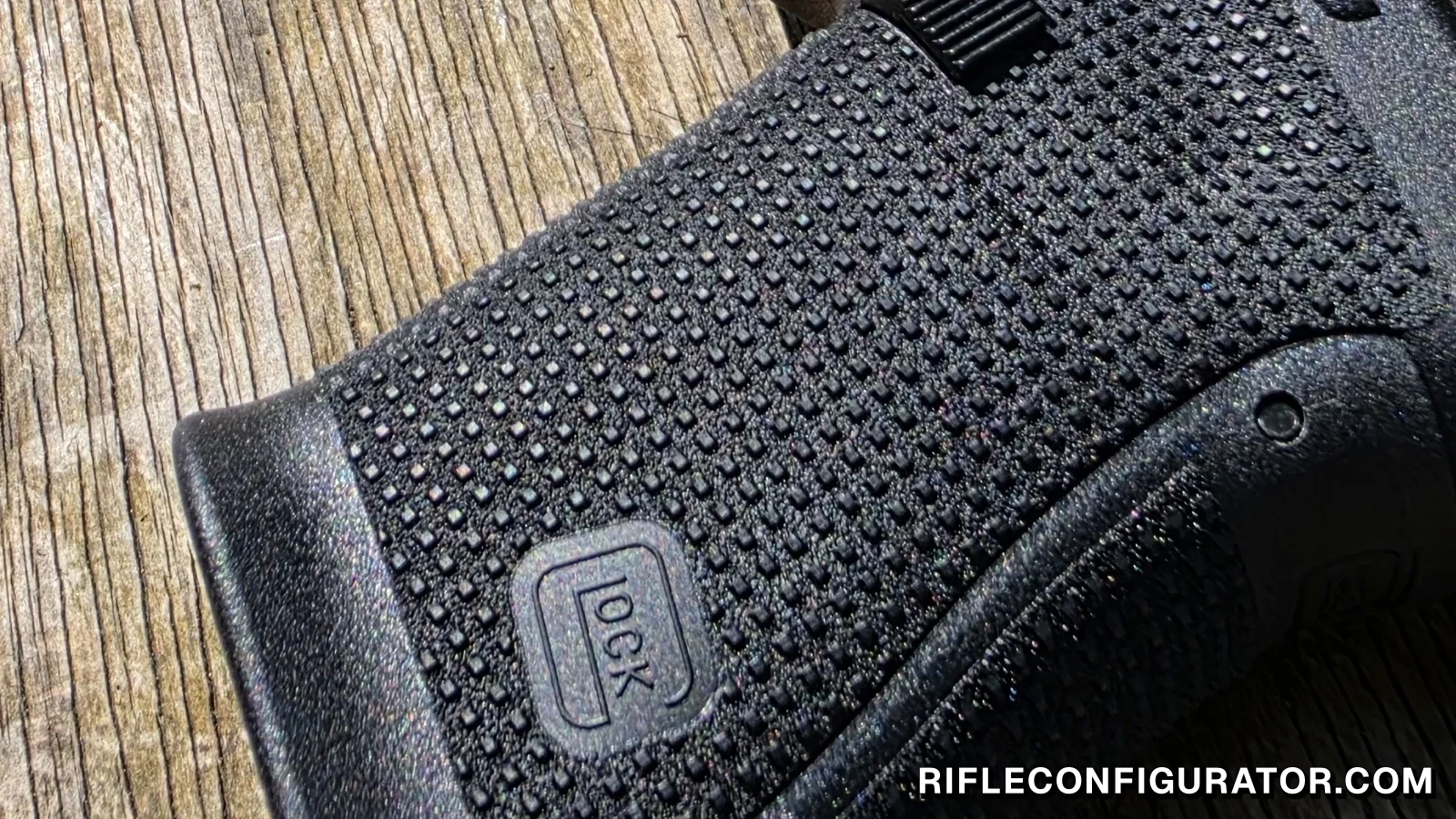
There is a catch, and it turned up on our own gun. The RTF6 studs stand taller and sharper than the Gen 5 texture, which is what makes them bite and also what makes them vulnerable. Ours are coming off. Not polishing down, not going shiny: individual studs have torn off the panel, leaving gaps in the grid and ragged stubs where the rest sheared. It is concentrated in a band across the middle of the grip, the part that takes the most contact, while the studs tucked in tight around the Glock logo are still crisp and square. This is ordinary holster carry, not a range-abuse case.
Abrasion would look different. A texture worn down by friction goes uniformly shorter and slick, with flat shiny tops; this panel has pieces missing from it. That points at the geometry rather than the mileage: a taller, thinner stud has less material at its base to resist being peeled sideways, and peeling sideways is exactly what a holster does on every draw and reholster. Glock publishes no wear spec for RTF6, so how far it goes is an open question. What is not open is that the single feature the Gen 6 is sold on is shedding off the gun in normal use.
The Trigger Somehow Got Worse
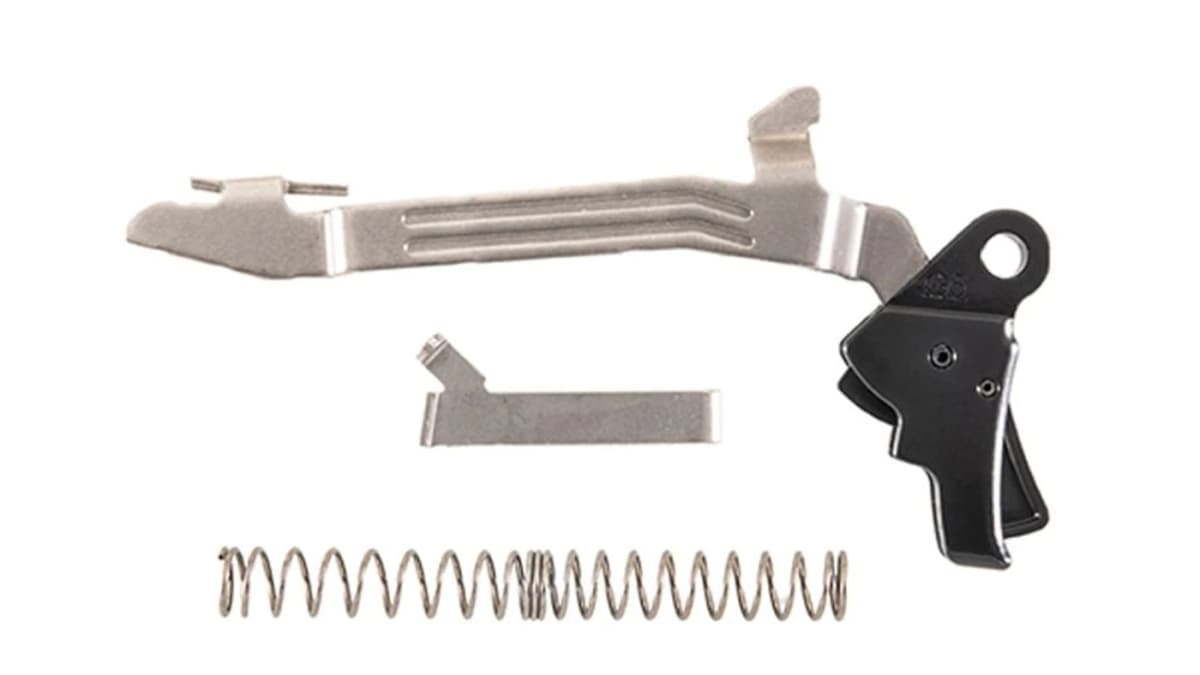
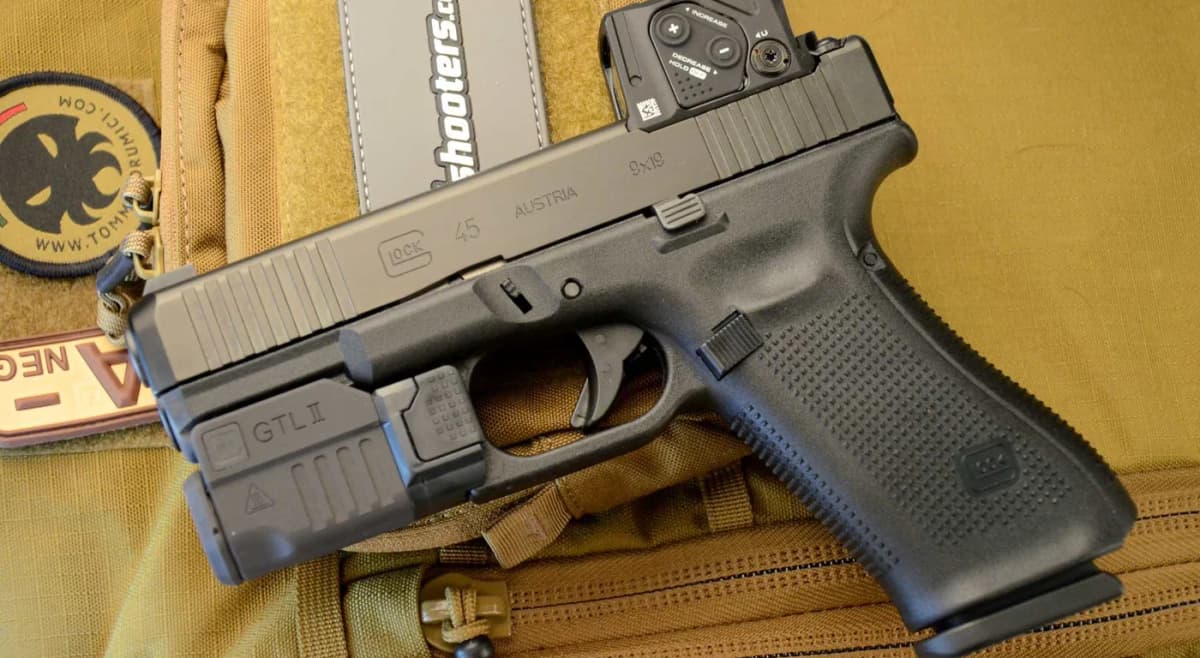
The Gen 6 trigger is a step back from the Gen 5, which is a genuine accomplishment given how mediocre the Gen 5 trigger already was. The flat-faced shoe brings the trigger face closer for shorter-fingered shooters and photographs well, but the pull behind it is mushier: the wall is vaguer, the break is less crisp, and the reset is harder to feel under speed. The factory trigger is a major upgrade over the Gen 3 but a slight downgrade from the Gen 5 in pull, smoothness, and weight, which is why many shooters drop in a Johnny Glock VEX 6 within the first few hundred rounds.
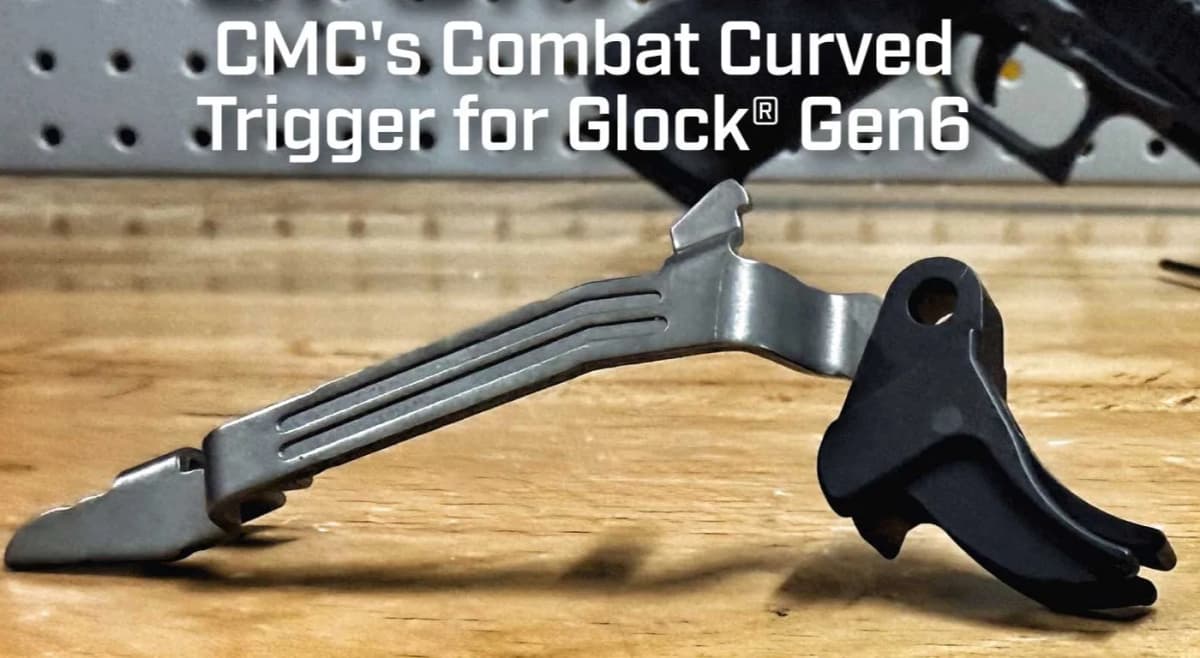
A flat-faced shoe is cosmetic. The trigger bar, connector, and spring geometry behind it are what determine feel, and Glock did not meaningfully improve them. If you buy a Gen 6 and want a clean break, plan on spending another $100 to $200 on a drop-in. The good news is that the aftermarket moved fast: our Glock Gen 6 upgrades guide ranks the shipped Gen 6-specific triggers and the metal optic plate that fixes the plate-mount zero problem, our best Glock triggers guide covers carry, duty, and competition picks, and our coverage of the CMC flat drop-in trigger for the G17, G19, and G45 Gen 6 and the Apex Evo 6 kit that also replaces the connector cover the two cheapest ways out. Needing an aftermarket trigger to undo a factory regression is not a feature.
The Optic System Is the Real Failure
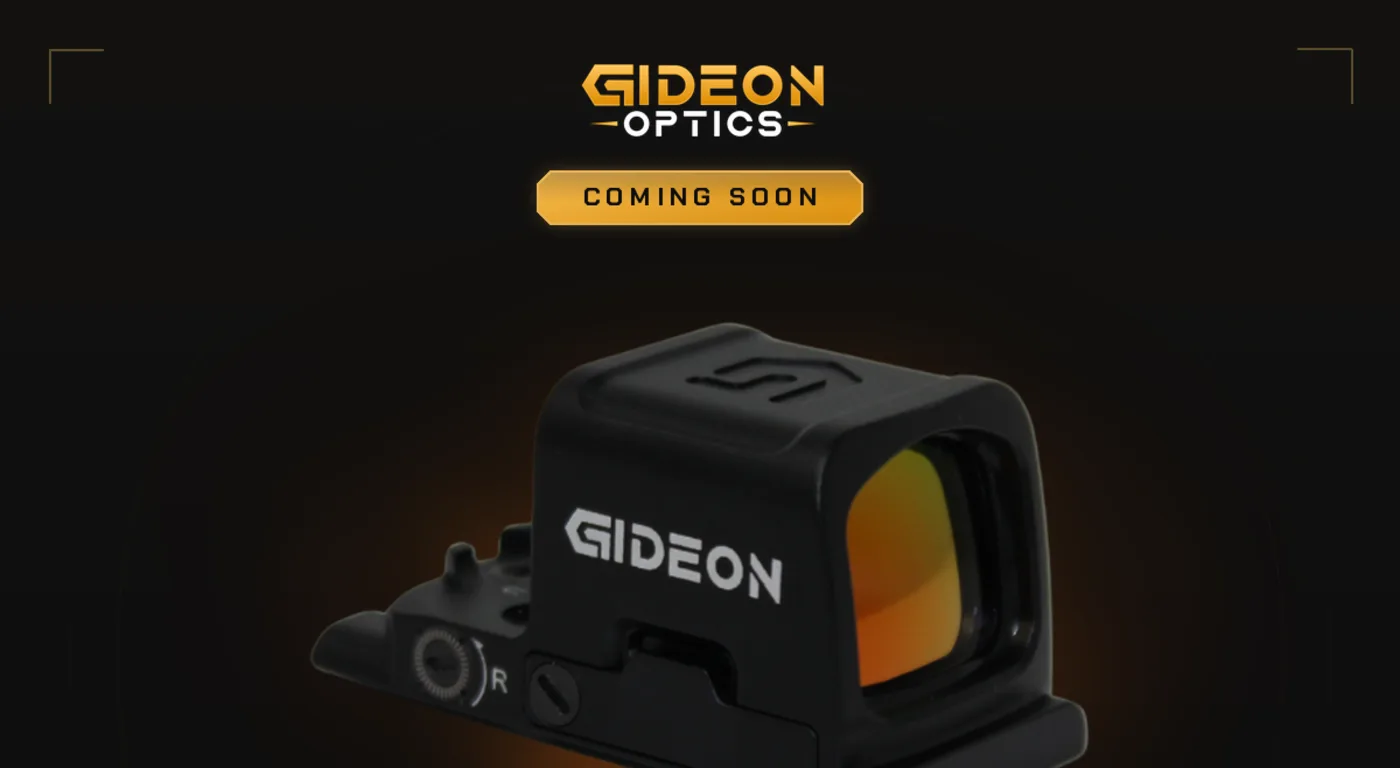
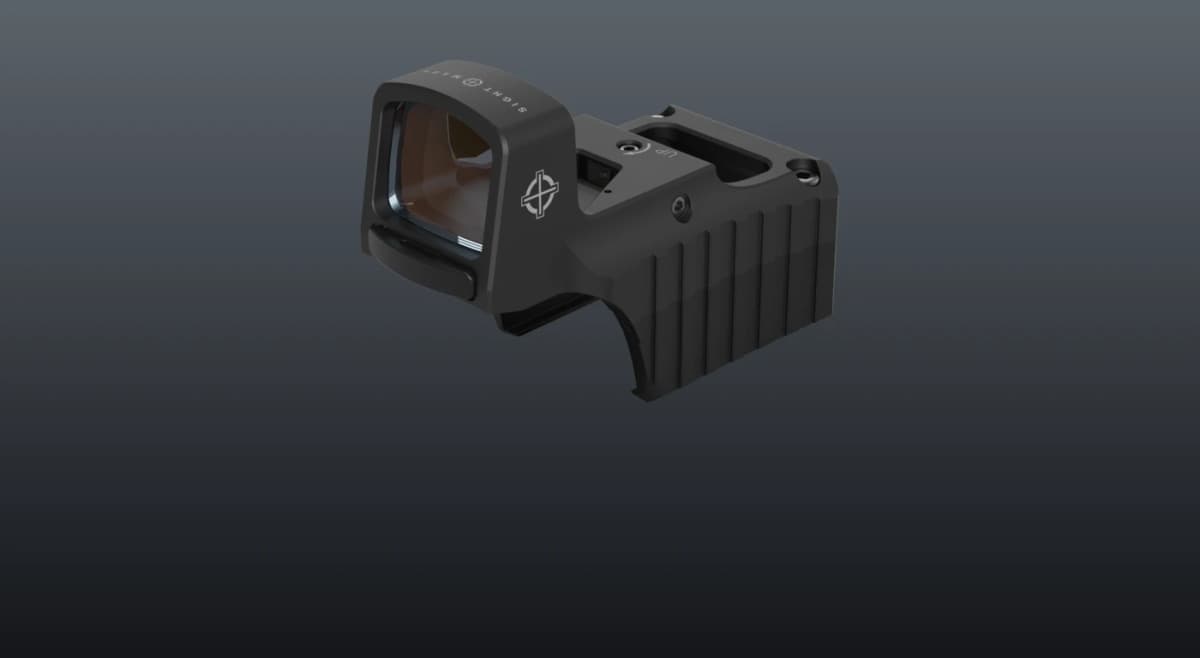
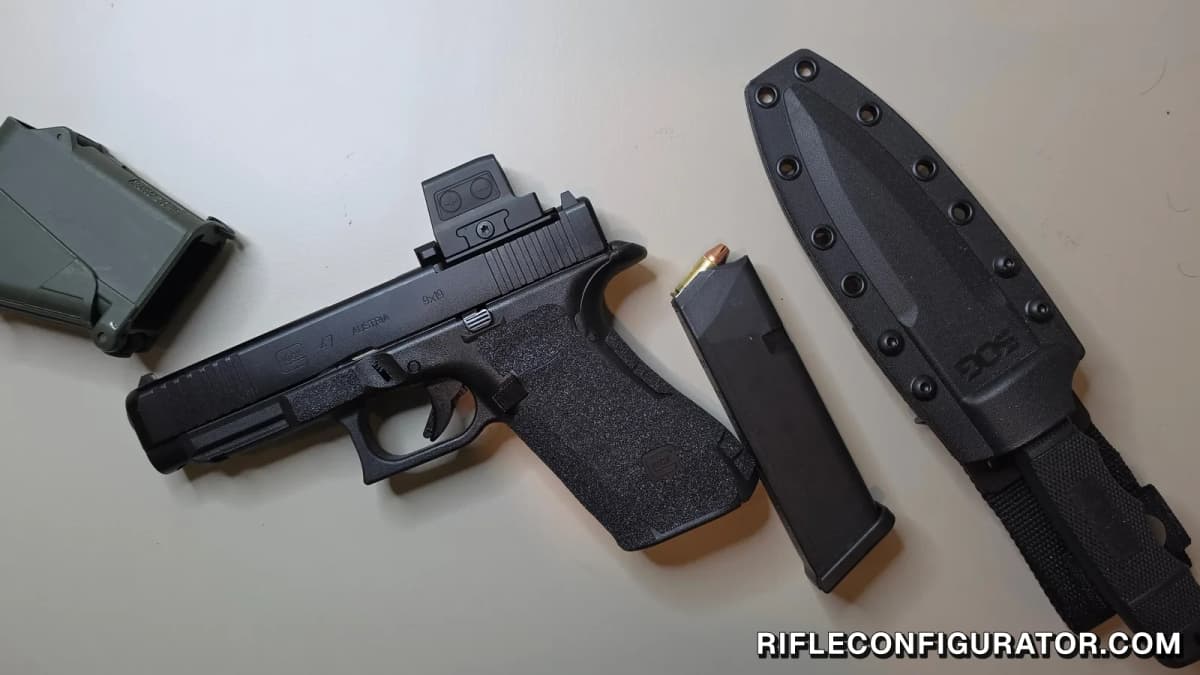
The Gen 6 Optic Ready System is the kind of mistake a company with Glock's R&D budget should never ship. Instead of cutting a fenced optic pocket into the steel, the ORS seats the optic on one of three polymer spacer plates that sit between the optic and the direct slide cuts. There is no optic fence to take the recoil load off the mounting hardware, and the plate-and-boss tolerances are loose enough that the dot can shift under recoil even when everything is installed correctly, which is the opposite of how you build a duty optic mount.
The result shows up on the target. A mounted red dot can rotate out of zero after roughly 1,000 rounds, with the screws torqued correctly to 18 inch-pounds, thread locker applied, and witness marks that never moved. Re-mounting does not always fix it; the optic shifts again. Losing zero is bad enough, but losing zero with almost no external sign is far worse, because the old MOS system at least told you when something had backed out. Wait until the aftermarket ships a metal plate solution before you trust this system.
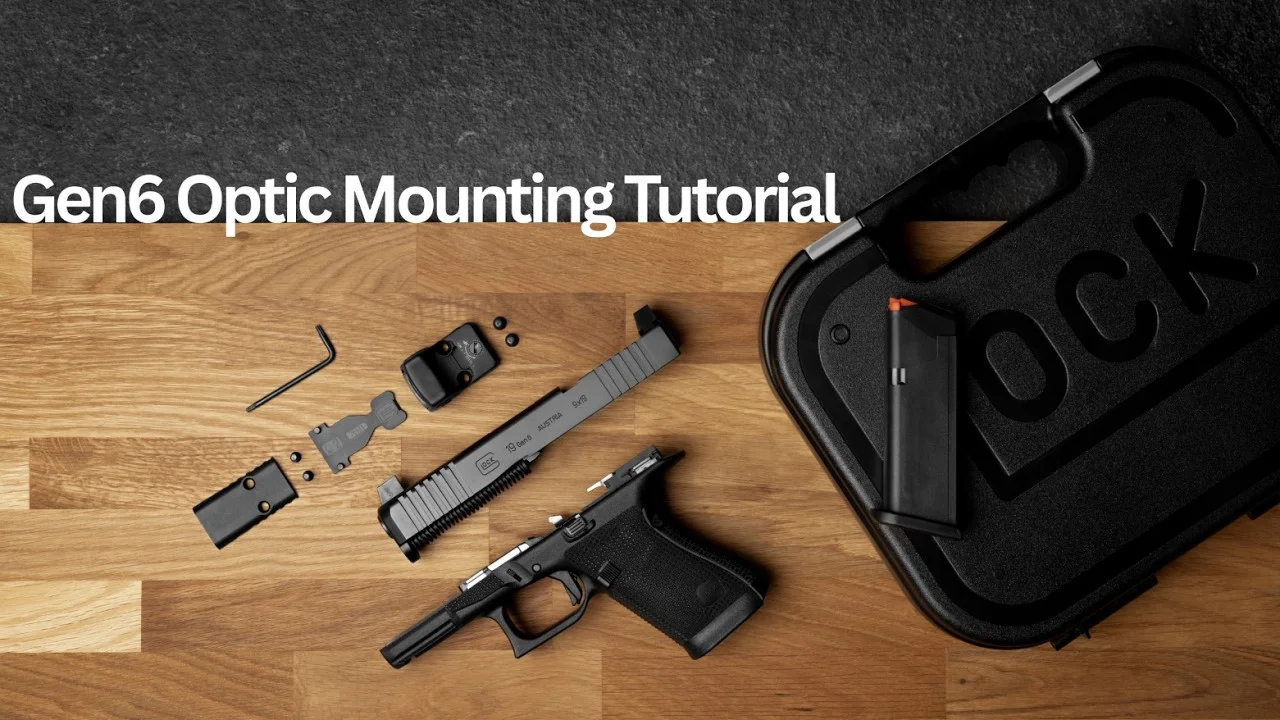
For the full generational breakdown, including which plates cover which footprints and what carries over from the MOS system, see our Glock Gen 5 vs Gen 6 comparison. If you are choosing a red dot for any pistol, our ranked picks cover the footprints the Gen 6 plates are supposed to support.
Pistol Red Dots for the Gen 6 Optic Cut
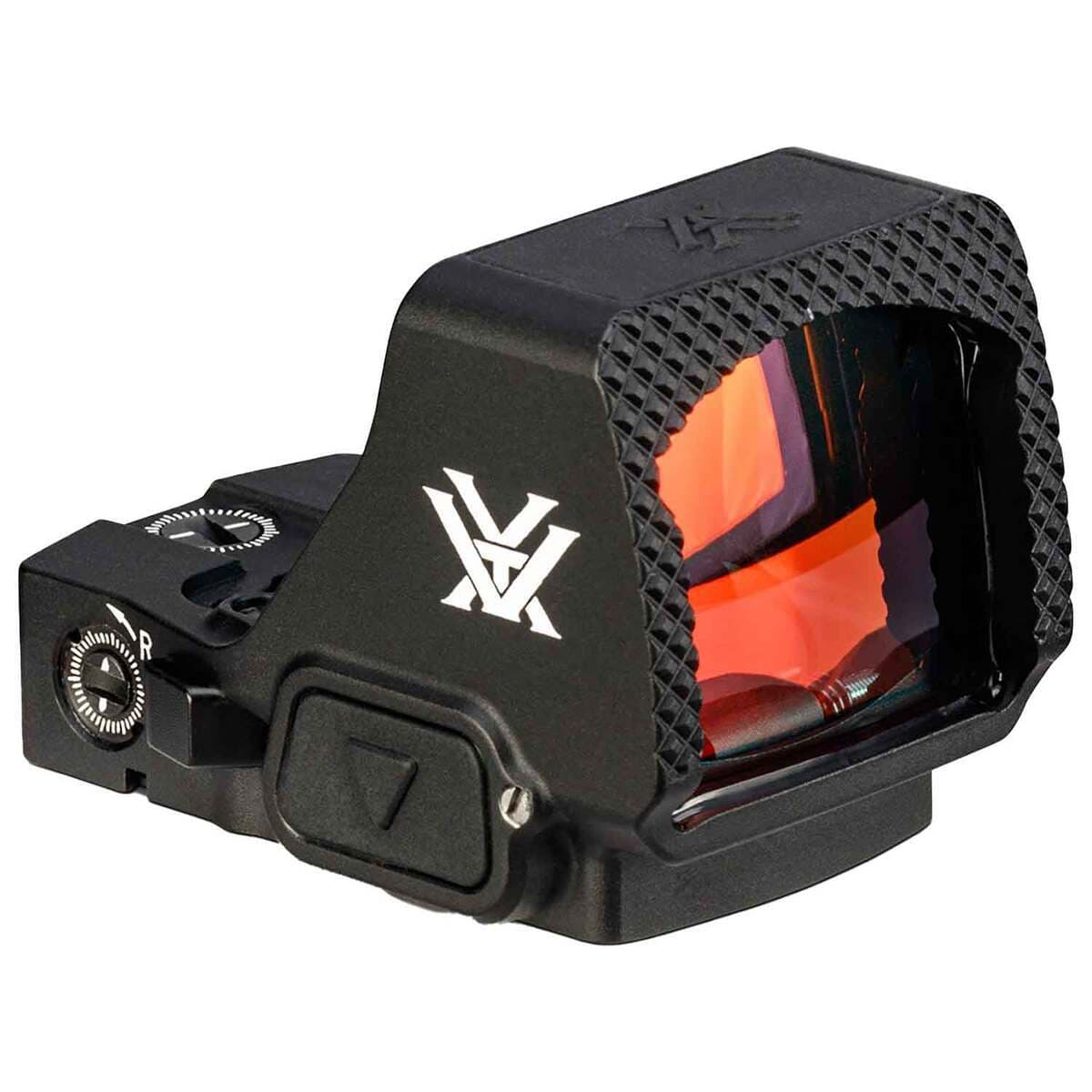
Vortex Defender-XL Micro Red Dot
- 2/5/8 MOA red dot
- DeltaPoint Pro footprint
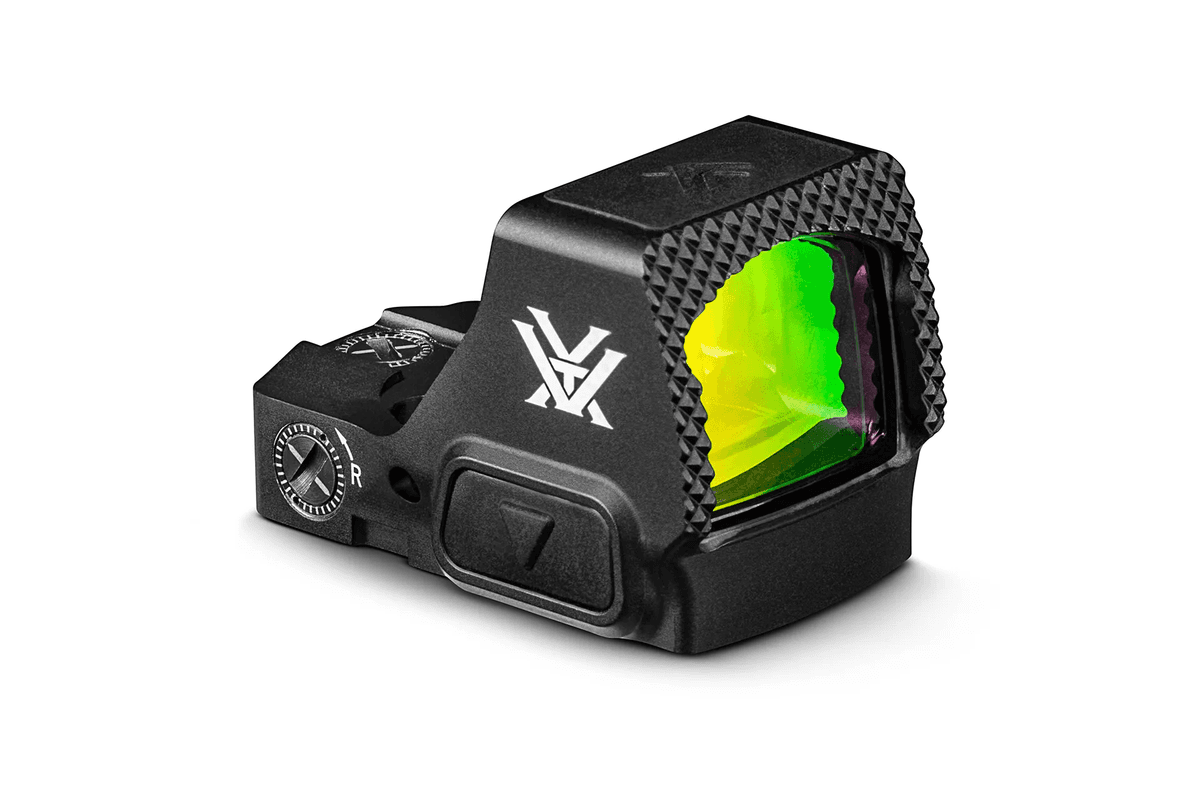
Vortex Defender-ST Micro Red Dot
- 3 or 6 MOA red dot
- DeltaPoint Pro footprint
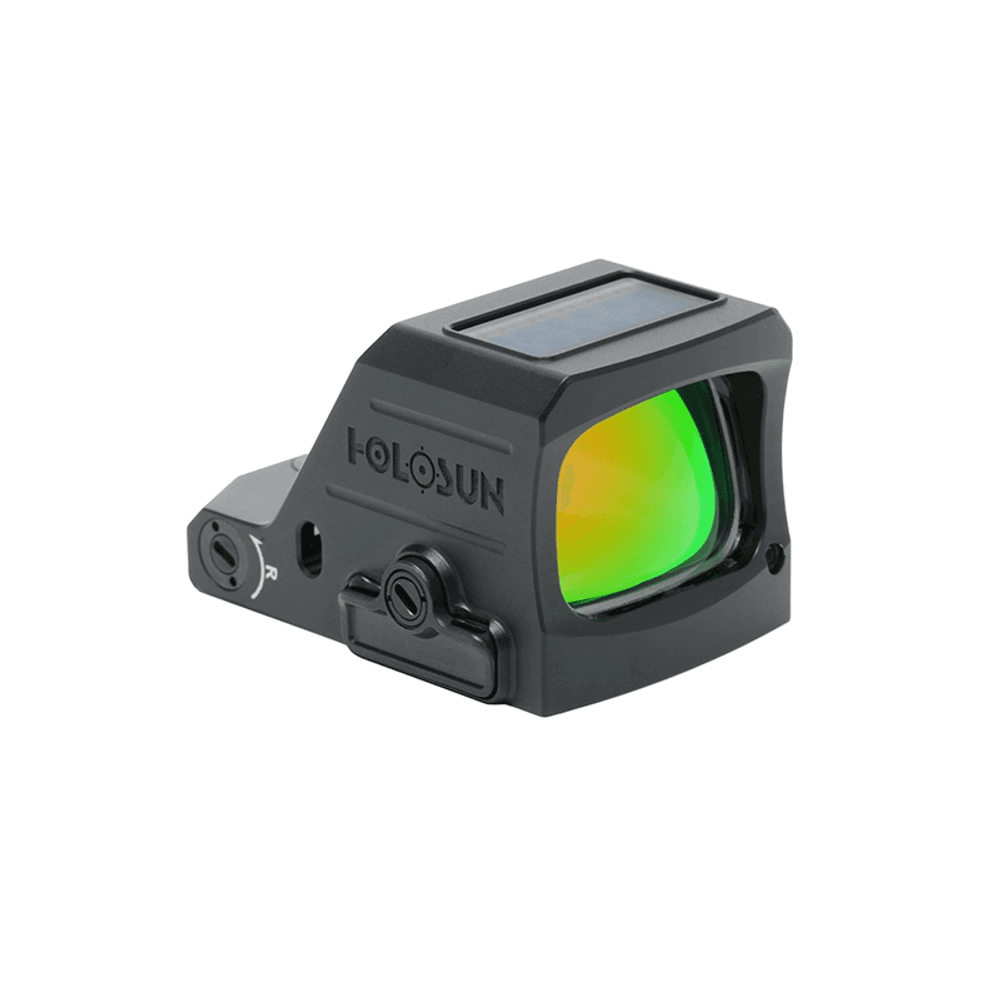
Holosun 507C X3
- 2 MOA dot + 32 MOA circle
- Forward light sensor
Holosun 507C X2
- 2 MOA dot + 32 MOA circle
- Solar + battery power
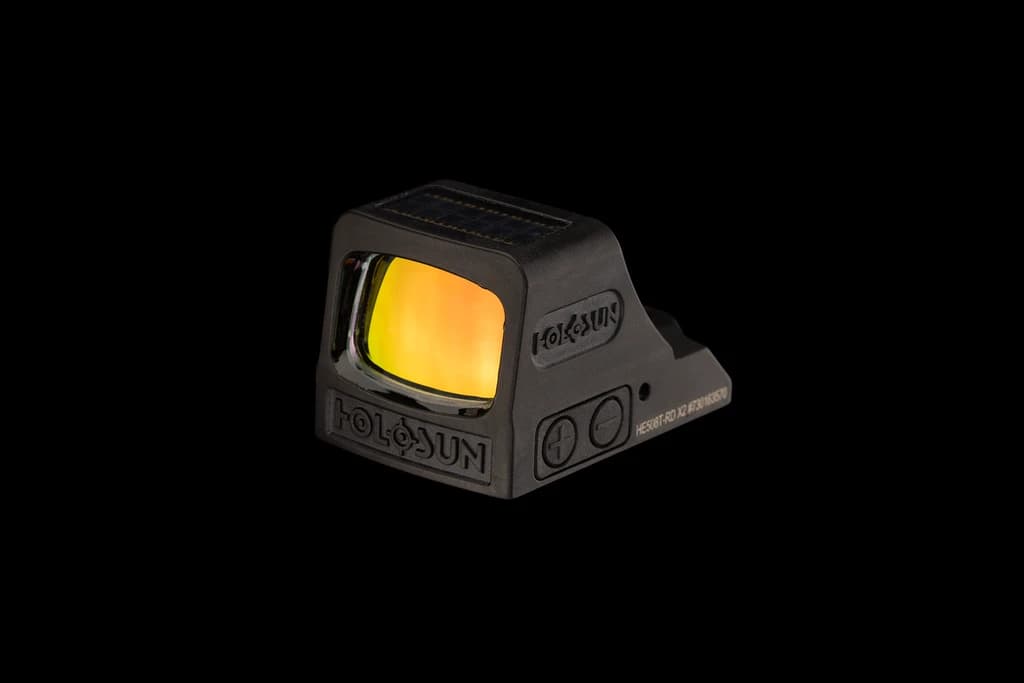
Holosun 508T X2
- 2 MOA dot / 32 MOA circle
- Open emitter, titanium housing
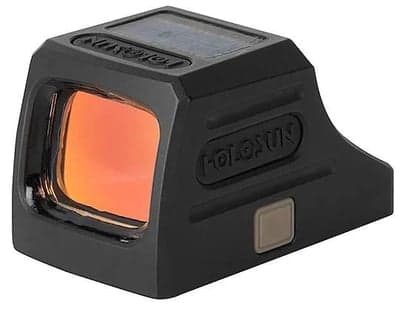
Holosun SCS Carry
- Solar charging
- MRS (2 MOA dot + 32 MOA circle)
Affiliate links (?)
Still Shipping Breakable Plastic Sights
The Gen 6 still leaves the factory with polymer sights, the same hollow plastic U-notch and front blade that Glock has shipped for decades and that snap if you so much as look at a table edge wrong. On a 2026 pistol that costs $745, sending it home with sights that every serious owner immediately throws away is indefensible. Steel or tritium night sights are a $60 to $120 line item that a duty gun should include at this price.
The standard slide cuts are unchanged, so the existing sight aftermarket fits, which is the only reason this is a minor gripe rather than a major one. It is still one more thing you have to fix on a gun Glock is selling as finished.
It Did Not Run Clean Out of the Box
Our Gen 6 threw several failures to return to battery during break-in. The slide stopped short of full lockup on a live round, which is the malfunction that turns a defensive pistol into a paperweight until you clear it. It settled: the gun has run clean since, and this is not a story about a broken pistol.
It still matters, because reliability is the entire reason to pick a Glock over the other guns on this list. The trigger, the sights, the optic mount, and the missing fire control unit are all things an Echelon or an RXM does better, and the reliability reputation is what is supposed to make you accept that trade. A gun that spends its first few hundred rounds proving it will go into battery has spent some of that reputation down. One sample is not a pattern and we are not calling the Gen 6 unreliable on the strength of it, but function-test yours before you carry it.
No Fire Control Unit: The Upgrade Glock Skipped
The biggest miss is what the Gen 6 is not. The frame is still the serialized part, the way it has been on every Glock since 1982, while the rest of the industry moved to a serialized fire control unit. SIG built the P320 around one. Springfield's Echelon carries a self-contained, serialized Central Operating Group that lifts out and drops into any grip module in seconds. A serialized FCU means you can swap grip sizes, frame styles, and even slide lengths without a second FFL transfer, because the regulated part travels with you.
This is not exotic engineering, and the proof is that Glock's own clones already do it. The Ruger RXM houses a serialized stainless steel Fire Control Insert inside a Magpul grip module, takes Glock 19 slides, barrels, and magazines, and carries a $539 MSRP. A clone at that price delivers the modularity that Glock, with its R&D budget and 40 years of frame production, chose not to build into a clean-sheet generation. There is no technical reason the Gen 6 could not have shipped an FCU; Glock simply did not.
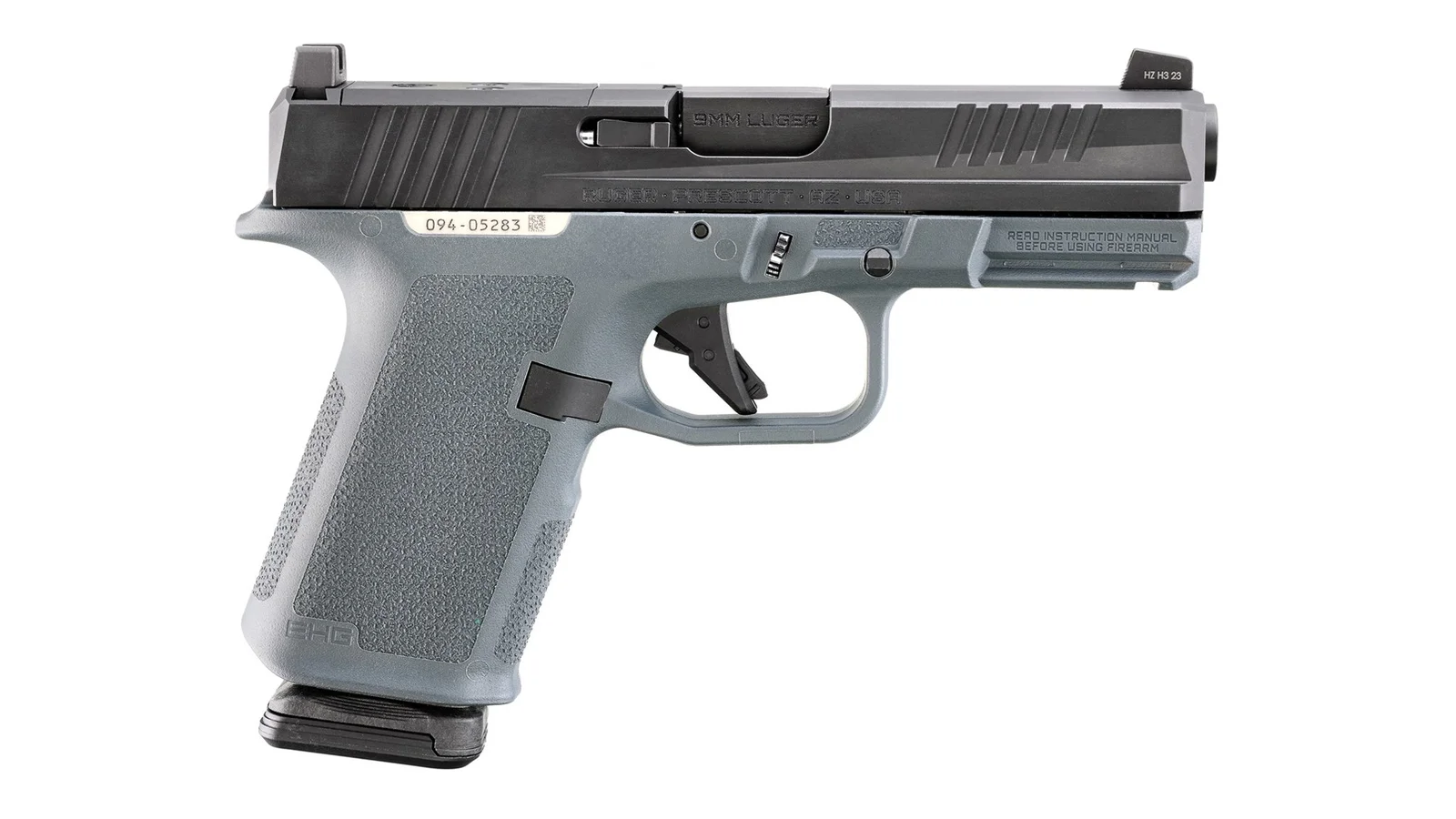
What to Buy Instead
Glock priced the Gen 6 at a $745 MSRP for the G17, G19, and G45, with street prices already settling closer to $700. At that money, two pistols solve the exact problems the Gen 6 leaves open. The Springfield Echelon mounts more than 30 red dots directly to the slide with no adapter plate, the failure mode the Gen 6 introduced, and carries a serialized COG chassis for true modularity. The Ruger RXM gives you Glock-pattern parts compatibility and a better frame for $200 less. The Smith & Wesson M&P and the rest of the 9mm field are worth a look too if you want a duty striker gun with a better factory trigger out of the box.
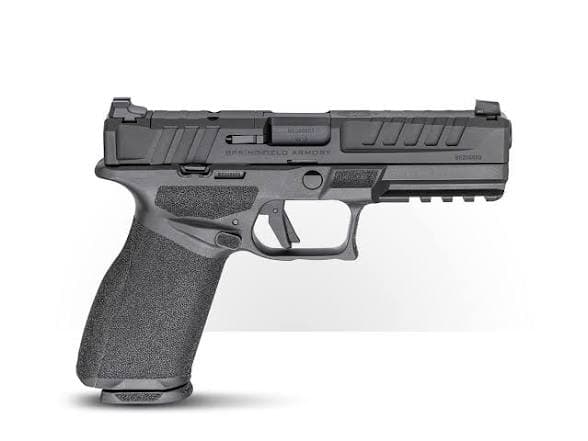
Springfield Echelon
Plate-free VIS optic mount for 30+ red dots and a serialized COG chassis at $710
Full-size duty pistol with serialized COG chassis and VIS universal optic mounting
- +VIS mounts 30+ red dots directly, no adapter plate needed
- +Optic sits closer to the bore than any plate-based system
- +Double-sear redundancy addresses P320 uncommanded-discharge concerns
- −Aftermarket trigger and slide ecosystem still maturing (2023 launch)
- −Magazines cost more than Glock factory mags ($45-$55)
- −Holosun 509T and Aimpoint ACRO mount via an adapter plate, not the direct VIS pins
Affiliate links (?)
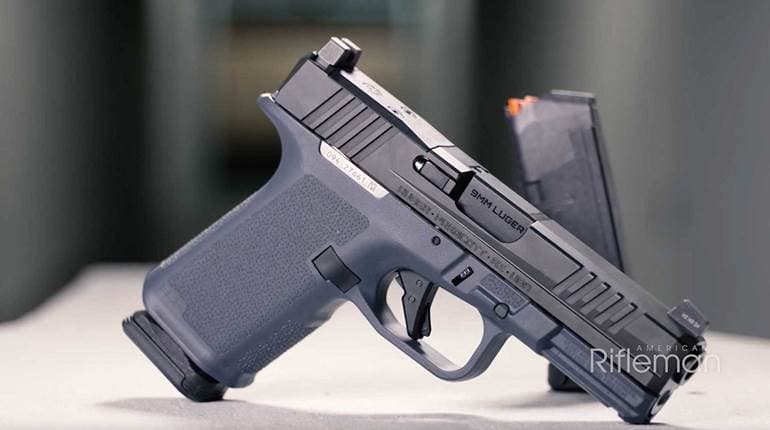
Ruger RXM
Best sub-$550 Glock-pattern pistol: serialized FCU, Magpul grip, full G19 parts compatibility
Glock G19-compatible compact with Magpul-designed grip module and modular chassis
- +Full G19 parts compatibility opens the largest aftermarket in pistols
- +Magpul grip module is better-textured and better-shaped than stock Glock
- +Ships at a $539 MSRP, below a factory Glock 19 MOS
- −Uses Glock Gen 3 fire control group, Gen 5 trigger parts will not fit
- −Aftermarket for RXM-specific parts is still thin vs mature Glock ecosystem
- −Factory Ruger trigger is Glock-grade, not notably better
Affiliate links (?)
Not sure which way to go? Build and compare any of these platforms side by side in our pistol builder, or run them head-to-head on the comparison tool.
Stay Updated on Glock and the 9mm Field
We track factory updates, aftermarket fixes for the Gen 6 optic system, and every new striker-fired release worth your money. Get hands-on reviews and buying guidance in your inbox.
Frequently Asked Questions
▶Is the Glock Gen 6 worth buying?
▶What is wrong with the Glock Gen 6 optic system?
▶Is the Glock Gen 6 trigger better than the Gen 5?
▶Does the Glock Gen 6 have a fire control unit (FCU)?
▶Do Gen 5 parts fit the Glock Gen 6?
▶What should I buy instead of a Glock Gen 6?
Final Verdict
Buy a Gen 6 only if you are deep in the Glock ecosystem and want the new ergonomics badly enough to fix the trigger and the optic mount yourself. Everyone else is better served by a Springfield Echelon, a Ruger RXM, or a Smith & Wesson M&P.
The magazines and holsters you own still fit, and the new frame is the best-feeling Glock grip ever made. That is the whole list. Glock took its first real generational swing in nine years and connected on the one problem the aftermarket had already fixed, while shipping a trigger that regressed, sights that still break, and an optic system that loses zero without warning. The clean-sheet opportunity to add a serialized fire control unit, the single feature that would have modernized the platform, went unused.
Then there is our own gun. It threw several failures to return to battery during break-in, which stopped; it has run clean since. The grip has not stopped. RTF6 studs are tearing off the panel under ordinary holster carry, and the one feature the Gen 6 is actually sold on is the one that is physically leaving the gun. One sample is not a pattern, and we would rather be wrong about this than right. But reliability is the entire reason to pick a Glock over an Echelon or an RXM, and between the break-in malfunctions and a grip that sheds, this gun spent that reputation instead of earning it.
This is a $699 pistol that needed another year in engineering and got rushed to a SHOT Show launch instead.